
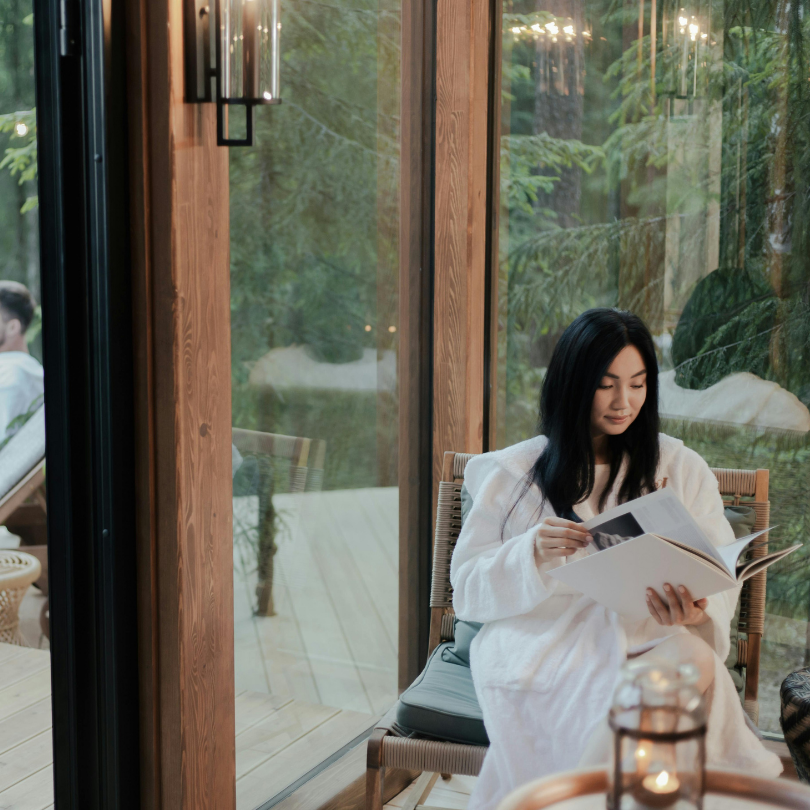
What does wellness mean to hospitality? Though the eccentric characters of the White Lotus franchise may suggest otherwise, wellness isn’t specifically concentrated on the white-sanded resorts and digital detox experiences of the world. While these luxurious, holistic experiences play a pivotal role in wellness tourism, especially as the overall industry takes off, there’s room within this space for all types of wellness-curious travelers, including primary, secondary, and even business travelers.
Primary wellness travelers travel specifically to maintain or enhance their health and well being, through improving lifestyle, bolstering immunity, or decreasing stress. Travelers in the primary segment push the hospitality and wellness industries to continuously reinvent their offerings and health insights. These travelers appreciate wellness experiences that are unique to a property’s destination, incorporating location history, natural resources, or cultural practices.
Secondary wellness travelers travel for a non-wellness purpose, but still make an effort to incorporate personal wellness into their itinerary, or tailor activities to their health goals. Secondary wellness travelers aren’t secondary forever – they may evolve into primary wellness travelers, or alternate between the two categories depending on their travel and budget constraints. These travelers need wellness that’s accessible and easy to integrate into their trip. Even simple things such as extended fitness center hours, or fruit and water in the lobby, can go a long way in accommodating these types of travelers.
Secondary wellness is alive and well in the business travel segment. The nature of business travel doesn’t allow for a full digital detox, but that doesn’t mean that business travelers devalue wellness. Rather, their elevated stress levels make unwinding even more important. Among logistic-related stressors like delayed or lost baggage, personal discomfort-related stressors like undesirable hotel location, unhealthy food options, low-tier lodging, and lack of exercise caused significant stress for business travelers, with undesirable hotel location reaching a 68/100 stress score. These travelers display not only a want, but a need for wellness opportunities because of the multitude of stressors associated with business travel, on top of the pressures that client-facing meetings present.
Delivering wellness for business travelers can look different throughout the chain scale. VPs and C-suite members, for instance, may appreciate high-end treatments like cryotherapy, quantum harmonic sound therapy sessions, and AI-powered beds designed to lessen jet lag. These treatments’ overarching theme is integration into hotel operations. Rather than separate amenities available upon request, luxury wellness is “...embedded in the infrastructure. You’ll have direct access to physiotherapists, professional trainers, and lead massage therapists”, The Estate’s chief longevity officer Kenneth Ryan explains. Further down the chain scale, hoteliers can deliver wellness to business travelers through amenity visibility. If a guest shares that they’re travelling for business, you can anticipate their needs and provide information about on-site or nearby food options, available room upgrades, and exercise facilities. Communicating these amenity options through guest messaging is a non-invasive way for your business travelers to have everything they need at their fingertips. At a time when these travelers are away from home, some of the time without a choice, giving them the power to address wellness concerns like nutrition, exercise, or hotel experience will reliably make a difference.
Whether your hotel is built to cater to wellness travelers or not, wellness doesn’t stop based on the destination. Rather, think of wellness as meeting your travelers where they’re at upon check in. Are they checking in for a conference? A solo vacation? A family reunion? How is your property positioned to enhance their well-being – and which wellness offering(s) would make the biggest difference to their experience? Once you’ve nailed down your wellness value proposition, making it visible to guests throughout the guest journey is key. Kipsu’s guest messaging features make it easy to extend a restaurant menu, amenity information, or other relevant details to your guests, ensuring that your wellness investment doesn’t go unnoticed. If these capabilities sound valuable to you, schedule a conversation to hear more about them.
Curious to learn more about Kipsu and digital messaging? Connect with a member of our team to get all of your questions answered.

.png)
.png)
.png)
.png)
.png)
.png)
.png)